Historical Portrait
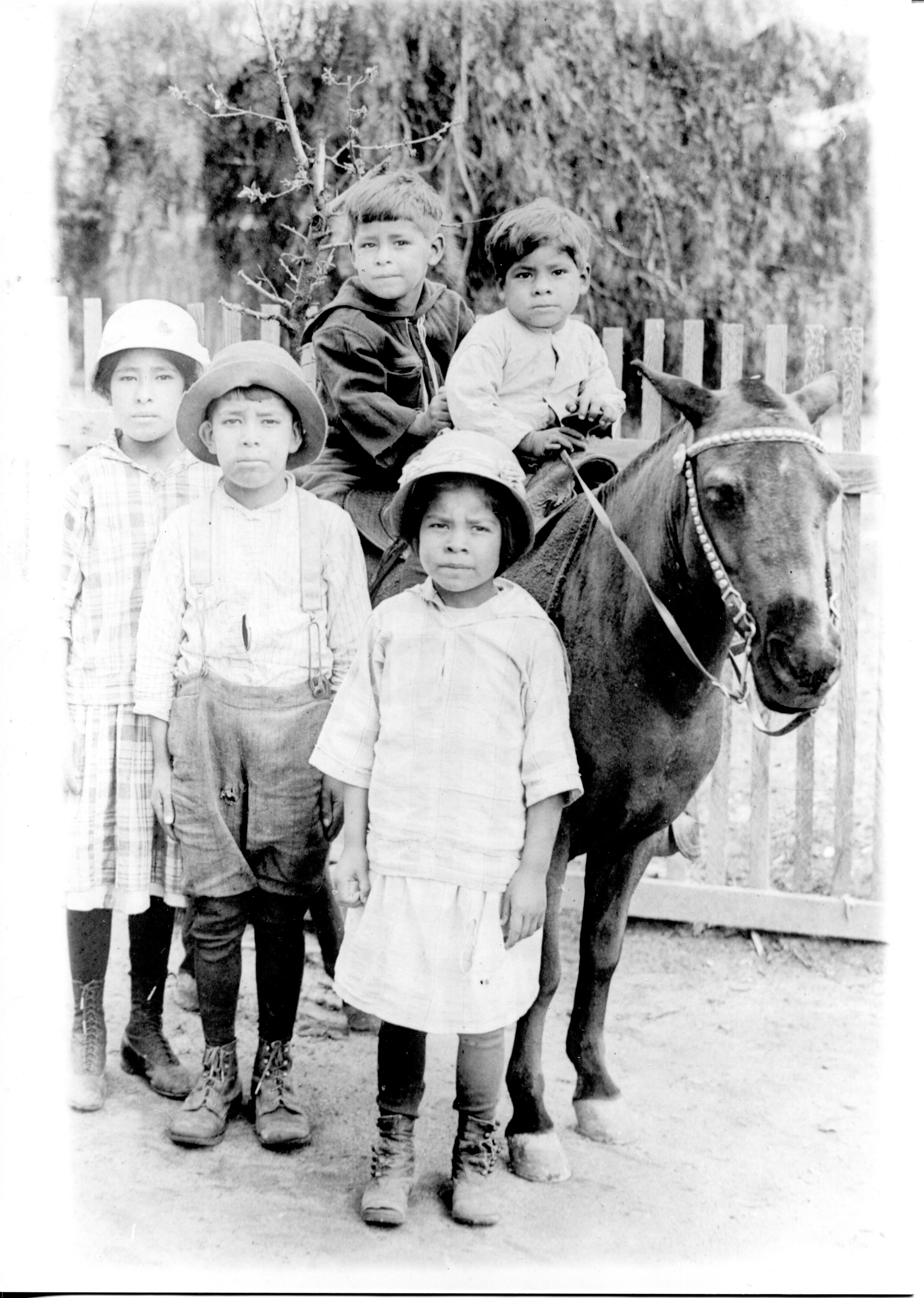
Group Portrait of the Ruiz children
Archive record
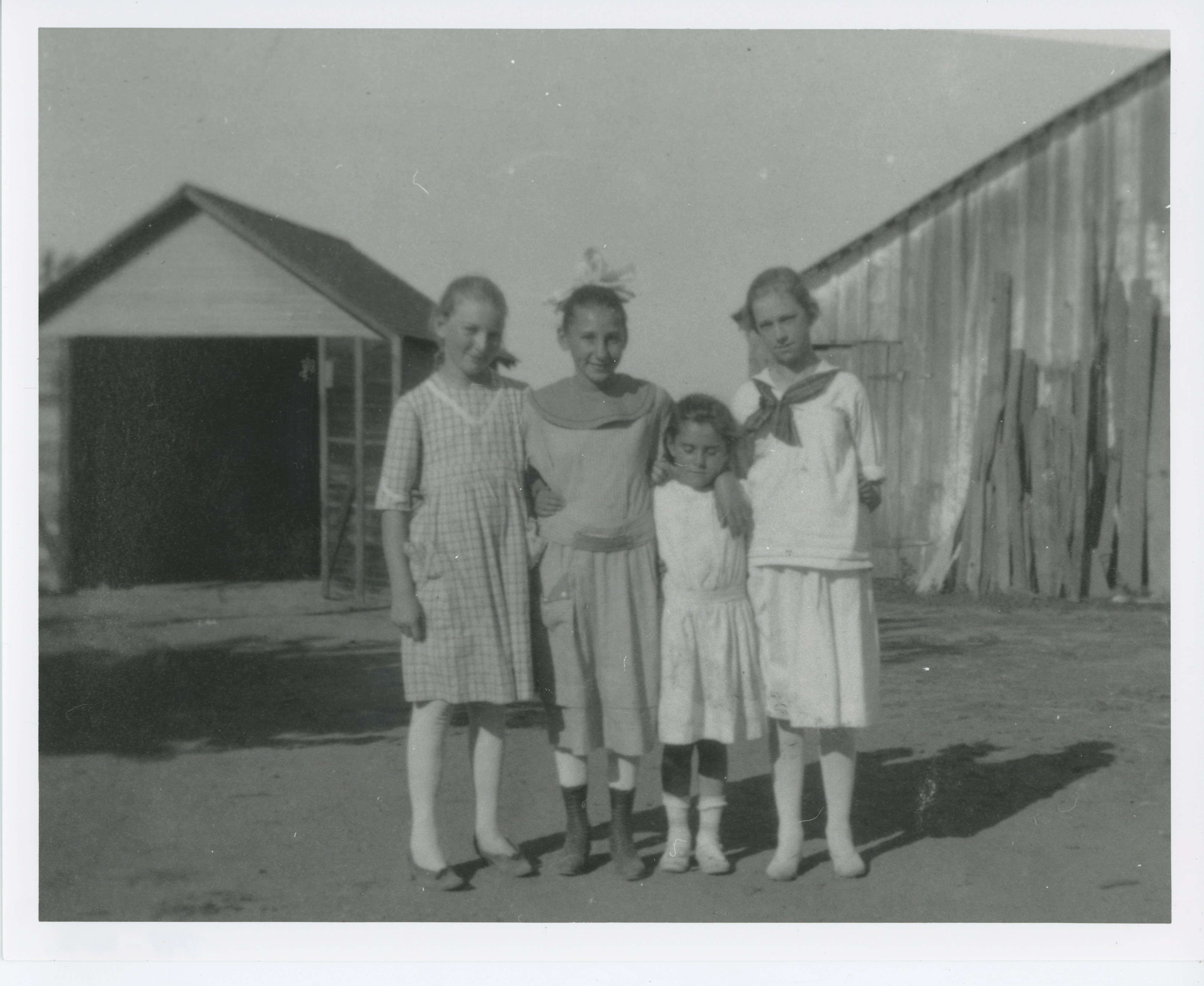
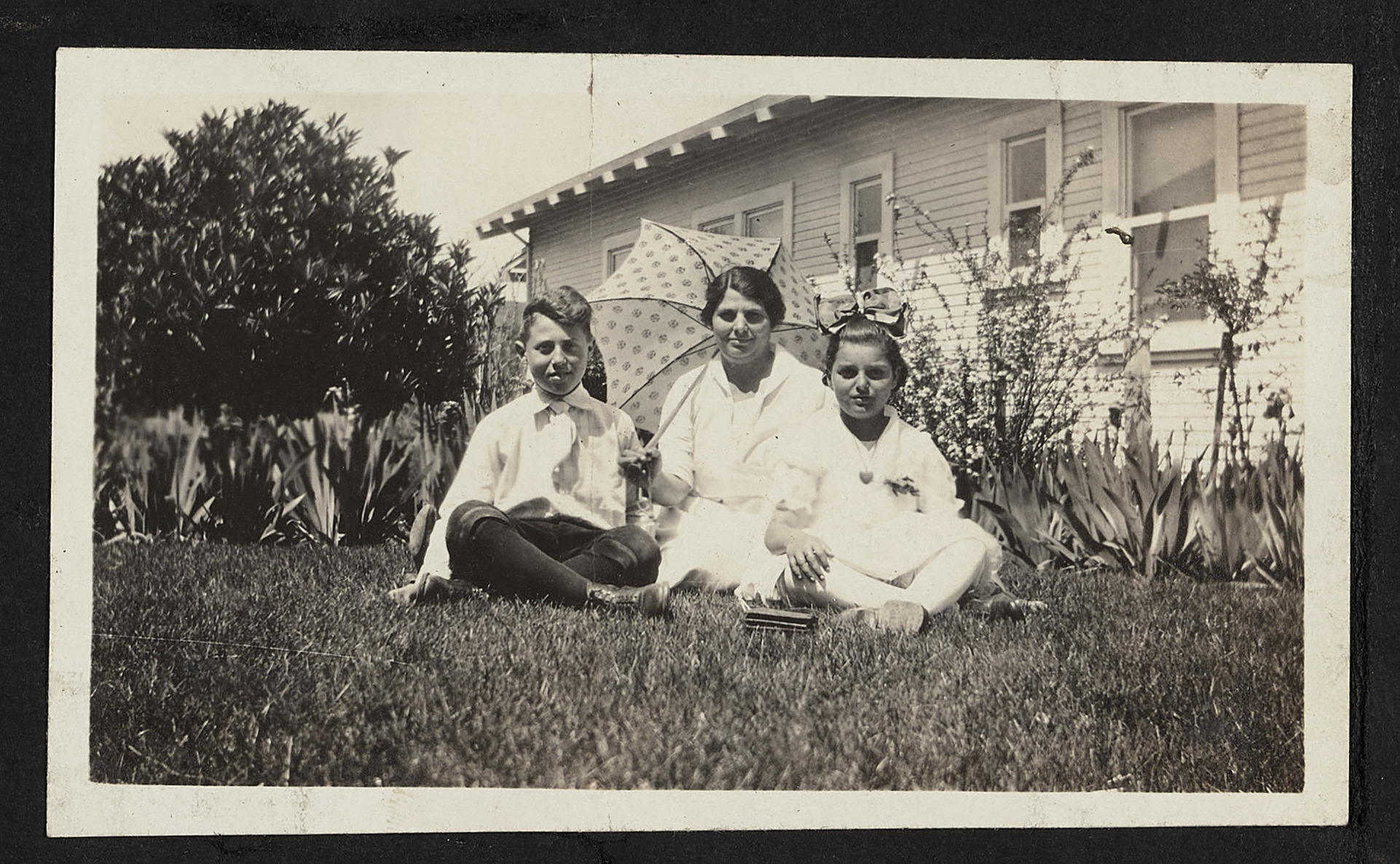
Public domain 1920 photograph of the Ruiz children (Candida, Jose, Lucille, Felix, Octavio) with their mule Catota in front of their home in Redlands, California.
About this photograph
The archive record identifies the five children as Candida, Jose, Lucille, Felix, and Octavio Ruiz, photographed with their mule Catota outside their home in Redlands, California in 1920. The photographer is not known.
Redlands sits in the citrus-growing country of southern California, where groves expanded rapidly in the early twentieth century. The mule and the domestic setting suggest a family connected to agricultural work, though the record does not state the parents' occupation.
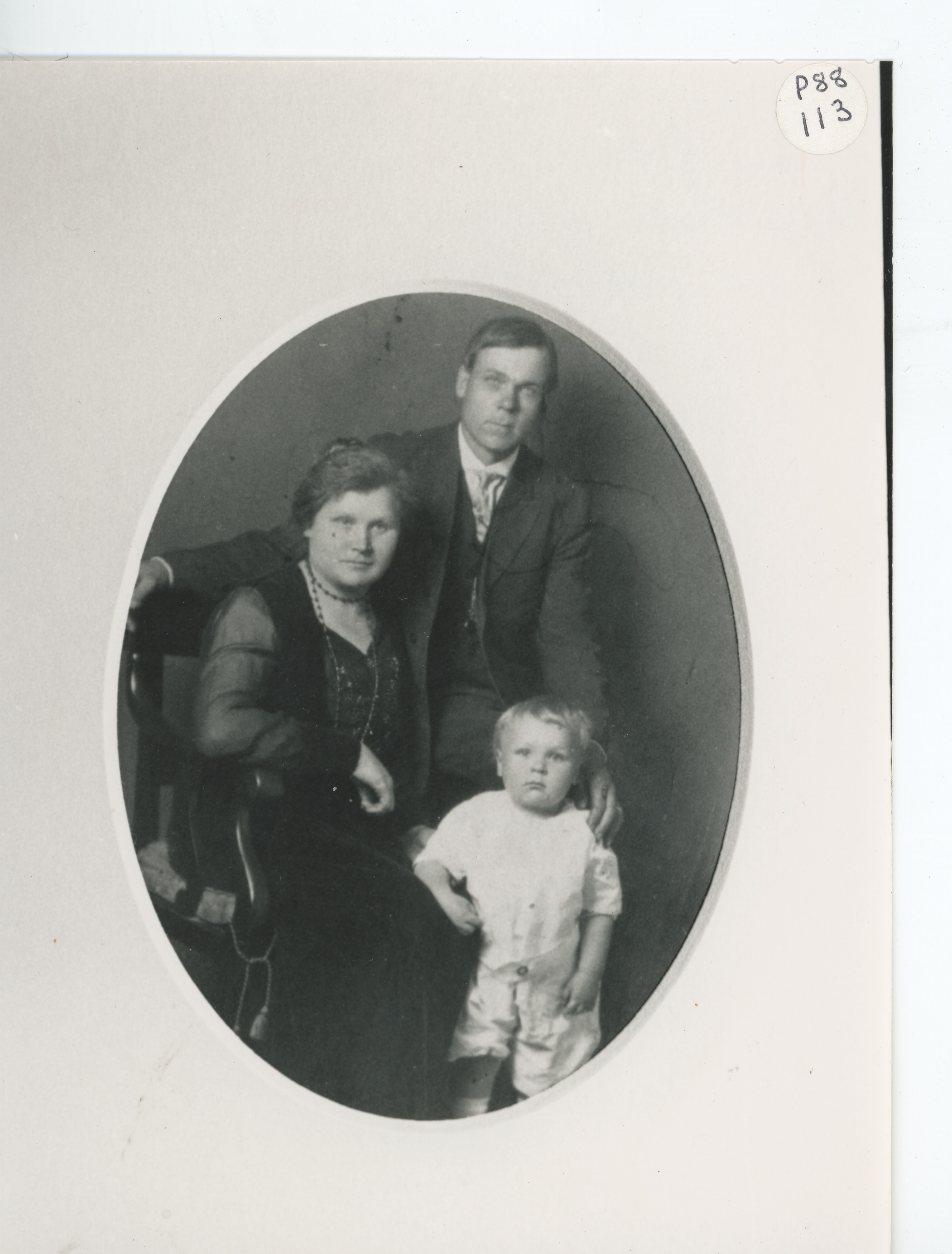
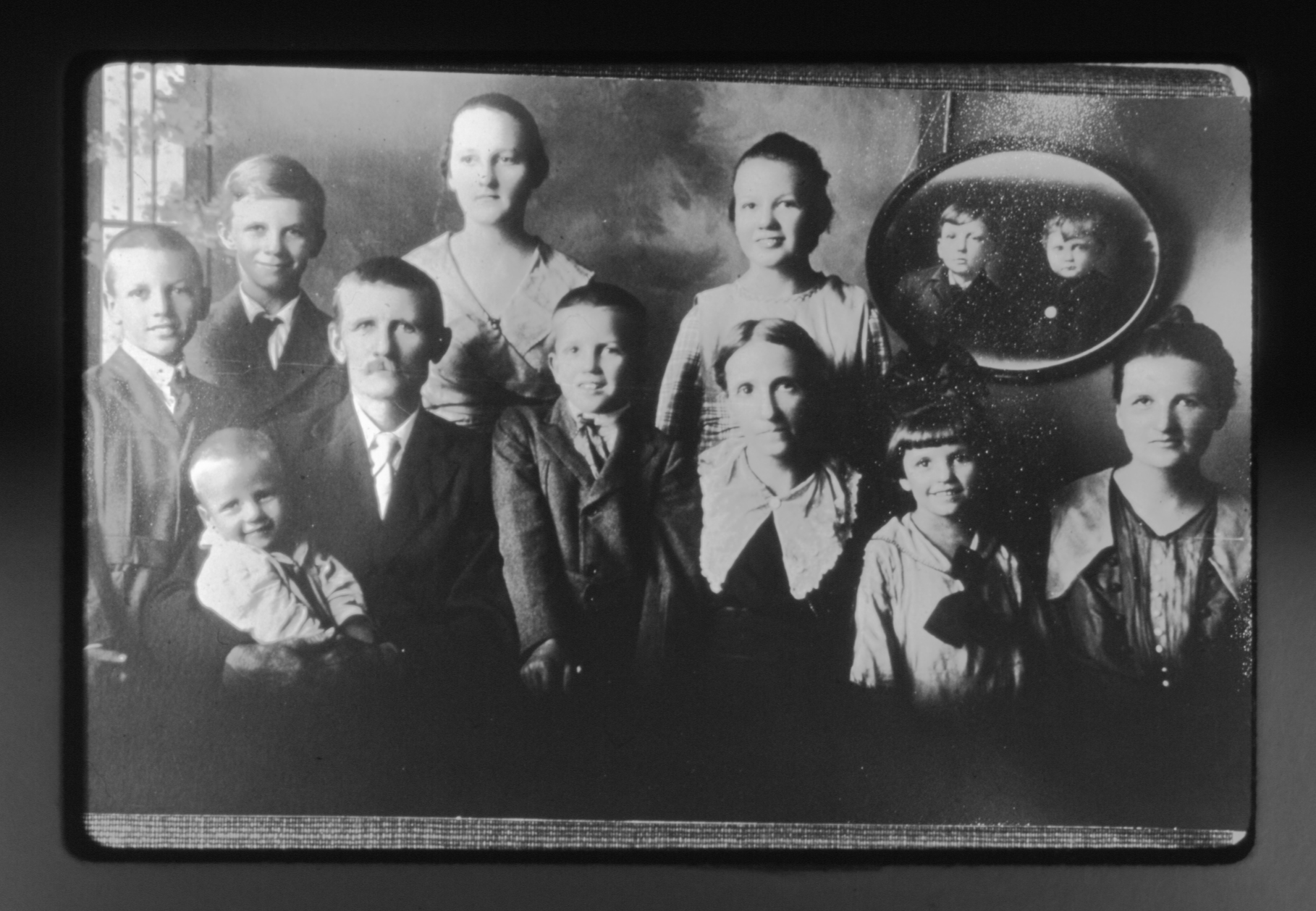
The photograph dates to the closing years of a long wave of immigration to the United States. Between roughly 1880 and 1920 some twenty million people arrived, most from southern and eastern Europe. Studio portraits often marked that journey, made at home to leave behind or sent back after arrival as proof of safe passage and employment.
Whether the Ruiz family came to California in that period, or where they came from, the record does not say. The names and the location place them in a part of the state where Mexican and Mexican American families formed much of the agricultural workforce, but the archive supplies no details of this family's origins or history.
Compiled from the catalogue record and reference notes on the formats and events involved. The archive record above is the primary source.
Rights & Attribution
Explore
More from the 1920s